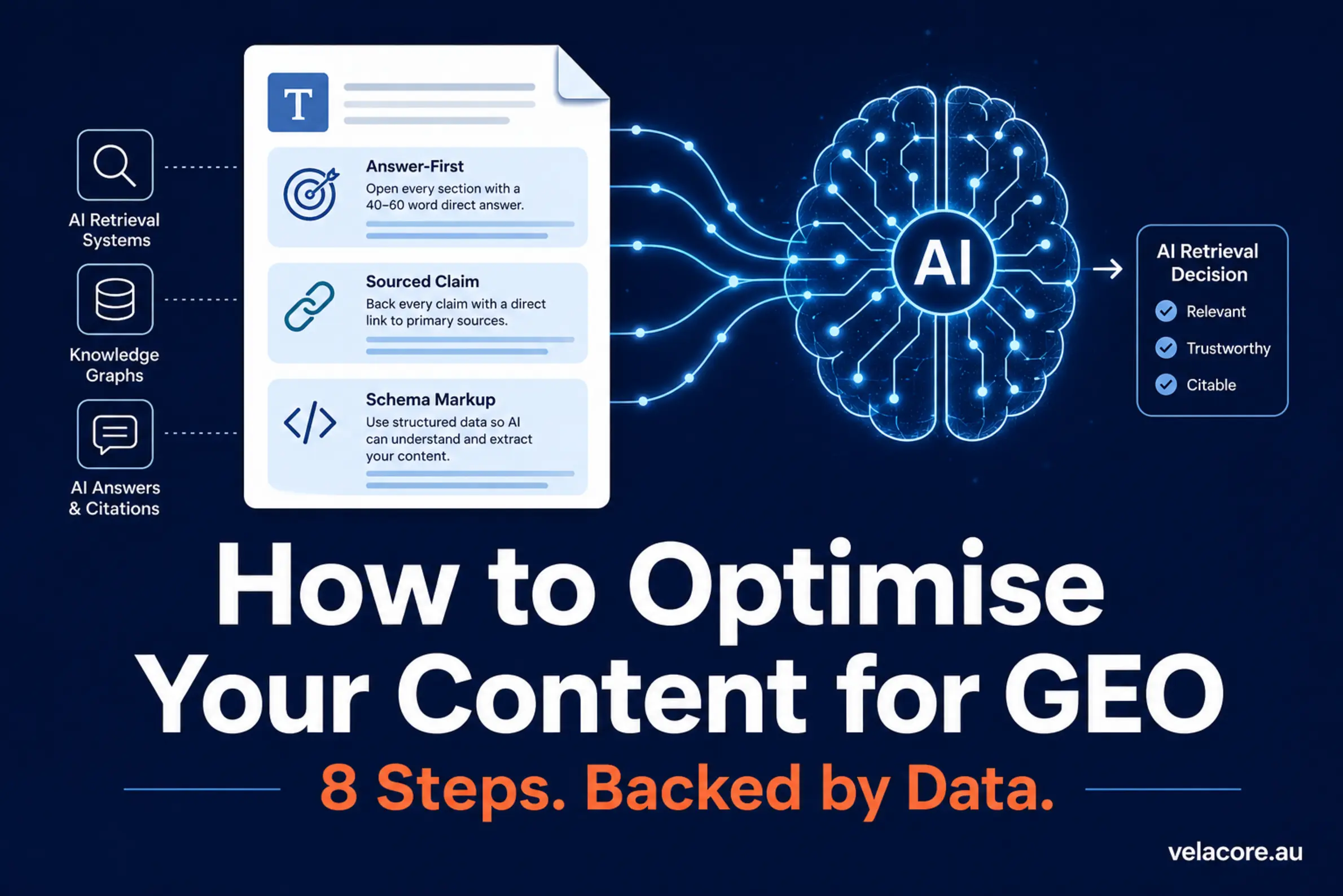
How to Find Your Target Audience (Not Just Your Target Market)
If your marketing feels like it’s talking to no one in particular,…
Read article



We take a deep dive into your current processes and systems to understand what’s working, and what’s not. This helps us uncover inefficiencies, align with your goals, and set the foundation for the right ERP solution.

Based on your needs, we help you choose an ERP platform that fits — balancing features, cost, and scalability. Our guidance ensures you invest in a solution that supports your growth, not just your now.

We create a clear, step-by-step roadmap for a smooth ERP rollout. From data prep to team training, we handle the details so your transition is efficient, stress-free, and built for long-term success.
Rolling out an ERP system means big changes — in tools, processes, and mindset. We help prepare your team through clear communication, stakeholder alignment, and cultural readiness to ease adoption and reduce resistance from day one.

We provide hands-on training tailored to each user’s role, ensuring your team feels confident using the new system. Post-launch, our support continues — guiding users, resolving issues, and helping your team stay productive.
Once your ERP is live, we don’t just walk away. We assess the rollout against your original goals, fine-tune what’s needed, and offer insights for ongoing improvement — keeping your system aligned with growth.
We first check whether the requirement can be met through standard configuration. Customisation is most useful when a genuine business need remains and the benefit outweighs maintenance and upgrade costs.
Common connections include CRM, finance, HR, inventory, ecommerce and reporting tools. We review the available APIs, data ownership and required sync frequency before defining an integration.
We document each change, prefer supported extension methods where available, and test critical workflows and integrations against the target version. Upgrade planning remains part of the long-term design.
Yes. We can assess failed transfers, duplicate data, manual handoffs and reporting gaps, then scope changes to the integration layer or workflow. A full ERP replacement is not the default.
We agree on a source of truth for each data type, define when and how records sync, and plan how errors or conflicting updates are handled. This avoids duplicate records and unclear ownership across systems.
If your marketing feels like it’s talking to no one in particular,…
Read articleWhen someone types a question into ChatGPT or Perplexity, the AI does…
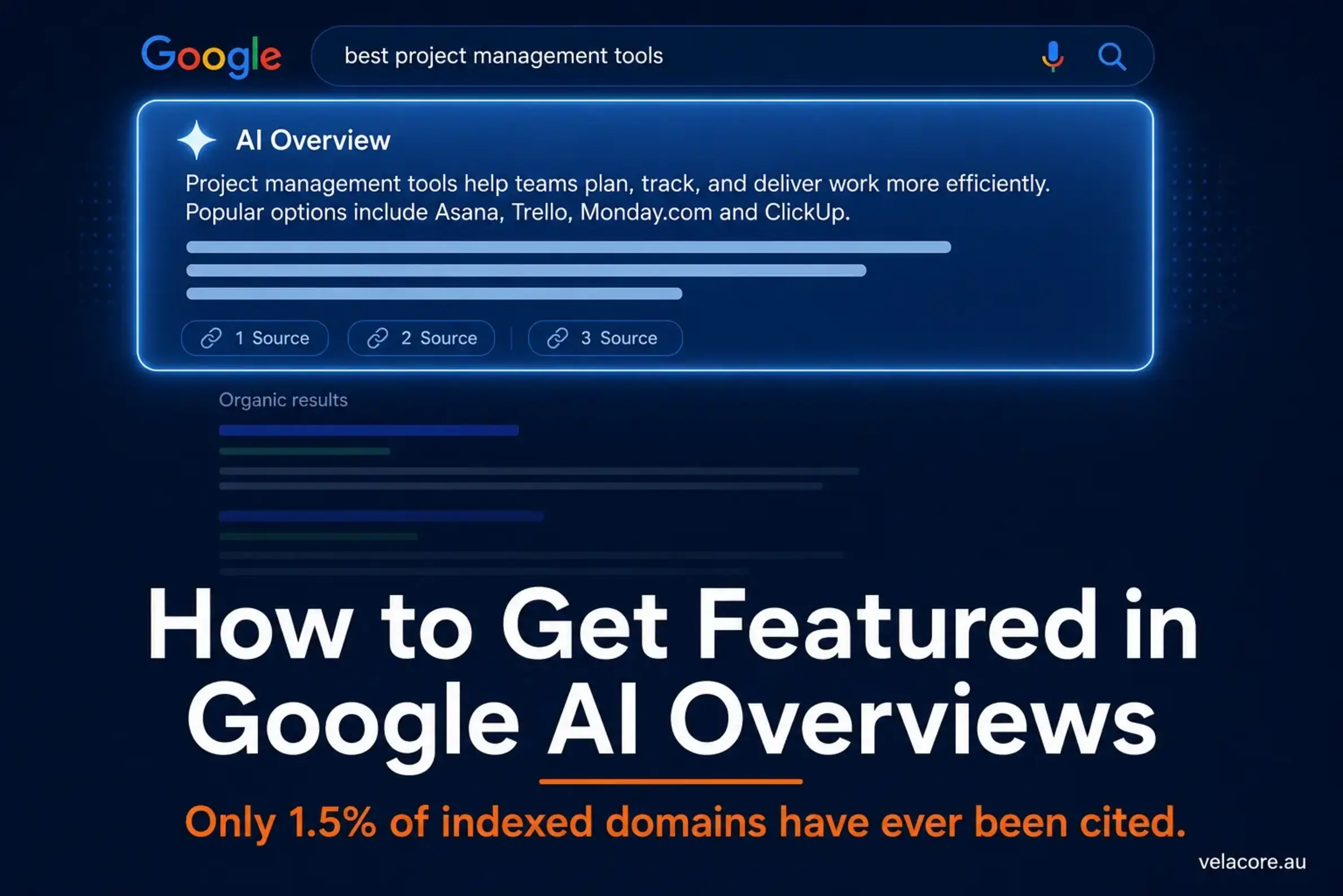
Read articleOut of 18.4 million domains indexed by Google, only 274,455 have ever…
Read article